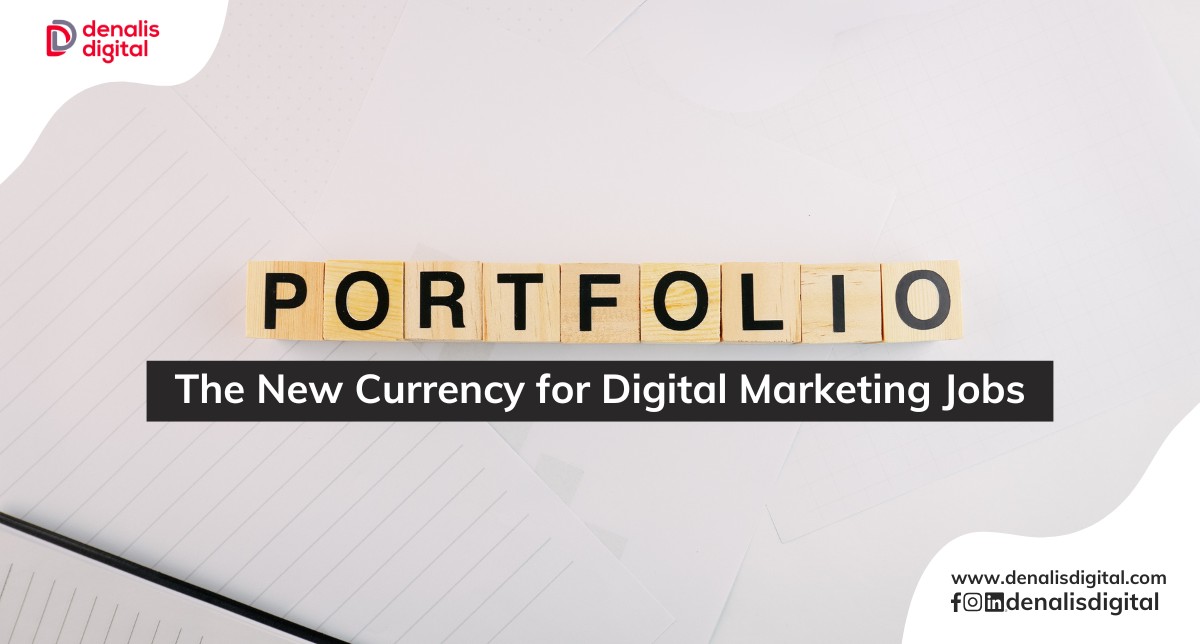
In today’s evolving job market, especially in digital marketing, a CV alone is no longer enough. Employers and clients want to see proof of what you can do, not just what you say you can do. That’s where a portfolio comes in. A digital marketing portfolio is a curated collection of your best work, showcasing your skills, creativity, and results. It goes beyond listing qualifications; it demonstrates your ability in action.
Why Portfolios Matter Now
The world of work is changing rapidly. In digital marketing, tools, platforms, and strategies evolve constantly. Employers no longer want to gamble on “potential” — they want evidence.
Research shows that while not every employer asks for a portfolio, nearly 70% of hiring managers in marketing roles expect to see one. This reflects a clear trend: skills and results speak louder than words.
Expectation vs. Reality in Job Hunting
Many job seekers still believe that a well-designed CV and cover letter are enough to stand out. That was once true — but not anymore.
Expectation: Employers will judge me only by my CV and interview.
Reality: Employers now look for work samples, case studies, and campaigns you’ve run.
This applies beyond creative roles. Strategists, copywriters, and social media managers are now expected to show proof — whether through campaign results, content samples, or analytics insights.
If You Don’t Have Work Samples Yet
Don’t worry — everyone starts somewhere. If you don’t have client work to showcase yet, there are still powerful ways to build your portfolio:
- Volunteer for real projects: Offer to help a small business, NGO, or startup with their social media, ads, or content.
- Create a spec or self-initiated project: Pick an existing brand and design a mock campaign, ad, or strategy , something that shows how you think and create.
- Document your learning: Share insights from your coursework, certifications, or internship experiences , showing progress also demonstrates skill development.
The goal is to show potential employers or clients that you can think strategically and execute creatively, even if you’re early in your journey.
What a Portfolio Says About You
- Skills: Employers can see what you know and how you apply it.
- Experience: Real-world examples demonstrate your growth and expertise.
- Results: Metrics and case studies show the tangible impact of your work.
Building Your Digital Marketing Portfolio
When you’re ready to put it all together, here’s what to include:
- Introduction: Your name, a professional photo, and a short bio.
- Work Samples: Showcase different types of projects — design work, copywriting, SEO, analytics, or social media campaigns.
- Results & Testimonials: Include screenshots, metrics, or feedback from mentors, clients, or supervisors.
- Online Presence: Links to your social media profiles or website.
- Contact Details: Phone number, email, location, and social handles.
Tip: Present it as a slide deck, PDF, or website — something easy to view and share.
Conclusion
The job market has evolved, and so have employer expectations. A portfolio is no longer optional — it’s a vital tool for every digital marketer. It builds trust, shows proof, and gives you an edge over candidates who only bring words on a CV.
At Denalis Digital, we help professionals and businesses craft digital strategies that deliver measurable results. If you’re serious about landing your next opportunity, start building your portfolio today — because in this new world of work, proof is power.
Email us now at denalisafrica@gmail.com